Fixing the Leg Weight Paints
Before starting the second animation I needed to fix the wight paints on the legs. I did this by getting rid of the weight paints on the legs that manipulate anything above the hips since that was a large issue with the previous weight paints.
Another thing I did was better blend the leg and knee joints to each other so that neither of the joints influence each other too much except where the knee is where they meet.
After finishing with that this is the result:
Before
After
Fixing the Knee Controls
To fix the knee controls I deleted the constraints connecting the knee joint and the nurb from the hierarchy and reset them. From there, the controls seemed to work without any more trouble.
Animation Two Timeline
The second animation will include the character walking up to a map table, moving some flag pieces and flipping the table in frustration. This animation will therefore require some other models to better display the animation. These models include the table, flag pieces, a map and some sheets of paper.
I wanted to make sure that the emotion the character is trying to portray during the animation is anger or frustration which would affect on each of the sections of the animation from the walk to the table flip.
Making the Animation
For this animation, I only really used one reference, and it was the walking section at the start. For the walking section I used the video 100 ways to walk and replicate the “Angry” walking animation.
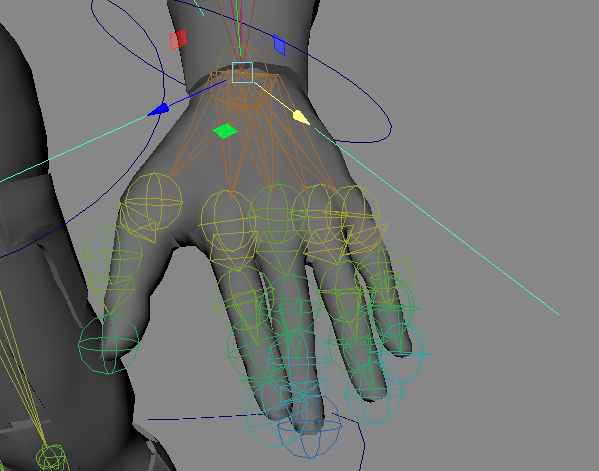
I didn’t really have any other issues with making the rest of this animation but I did notice that the finger controls could have been done better since some of the fingers look a bit out of place which made it harder to make the character picking up smaller objects feel less natural.
Looking back on the animation, I realised that I could have demonstrated a better physical timing for the lighter objects during the table flip since most of them reach the ground at the same time as the table does. Though animations of these objects are also a good example of secondary action for this one as these display motions that are derived from the character’s primary actions.